When choosing between a power catamaran vs sailing catamaran, the decision isn’t just about aesthetics. It’s about speed, itinerary flexibility, comfort underway, and the overall rhythm of your week at sea.

For some destinations, either option works beautifully. In others, like Greece for example, the difference can dramatically shape what you’re able to see in just seven days.
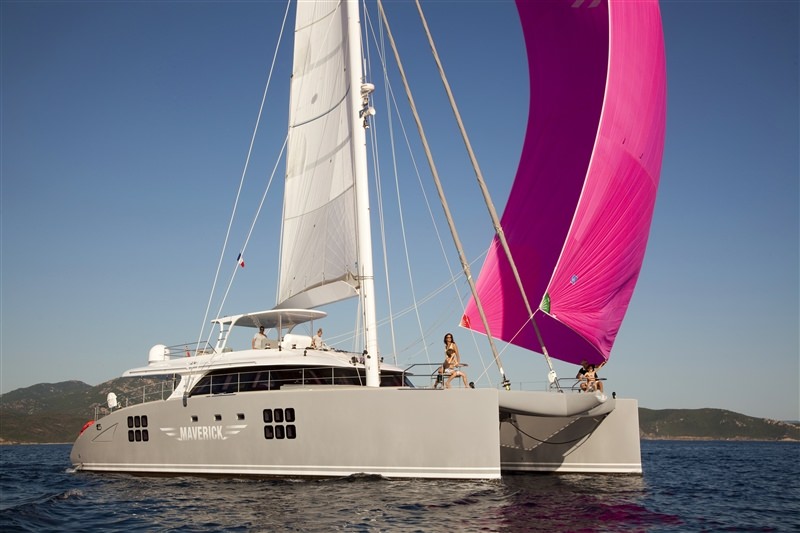
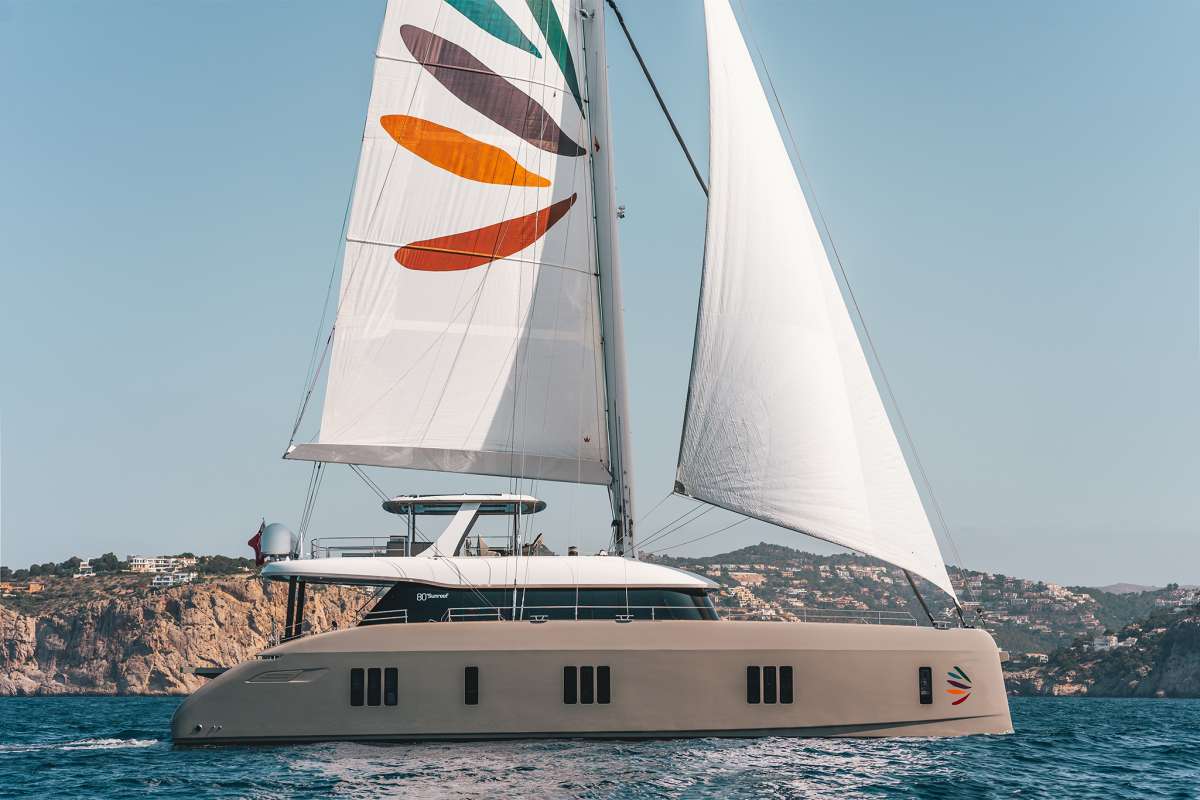
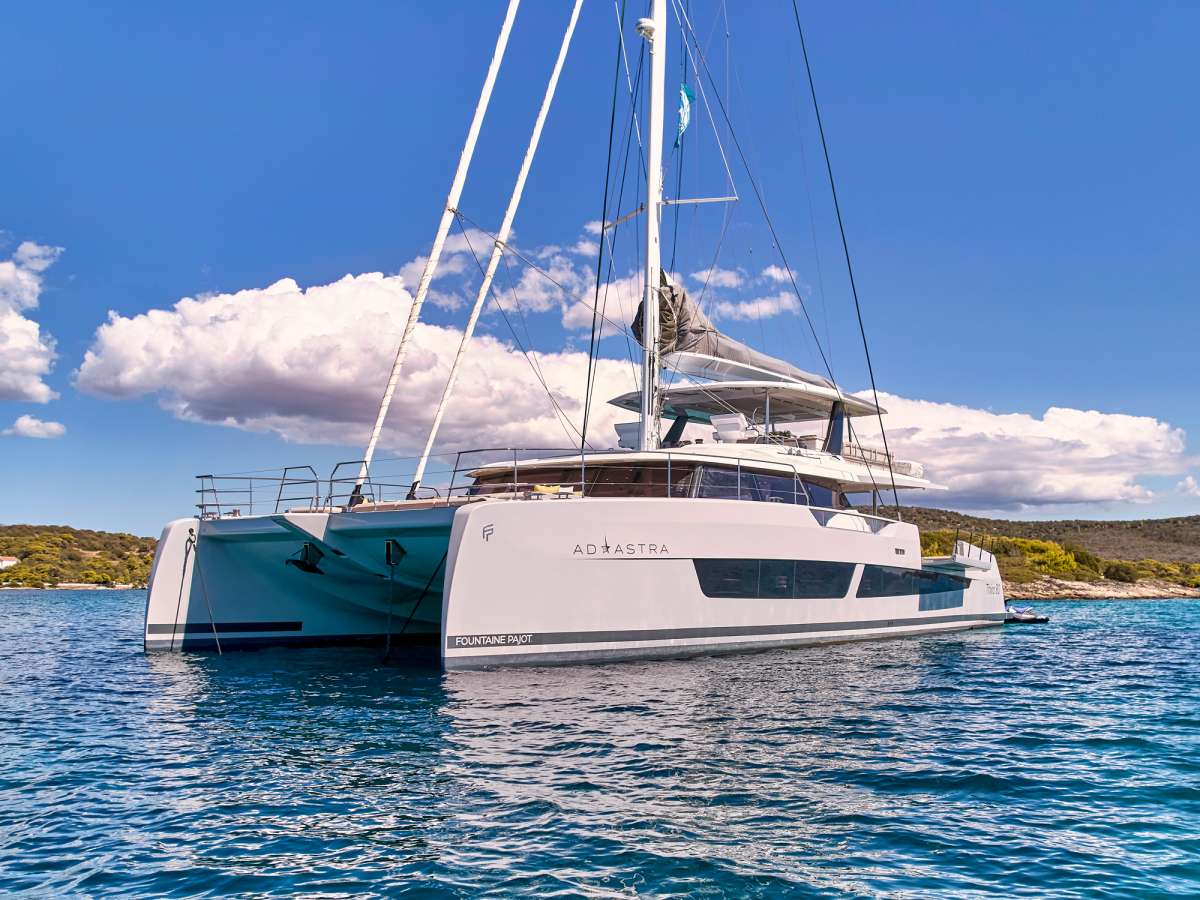
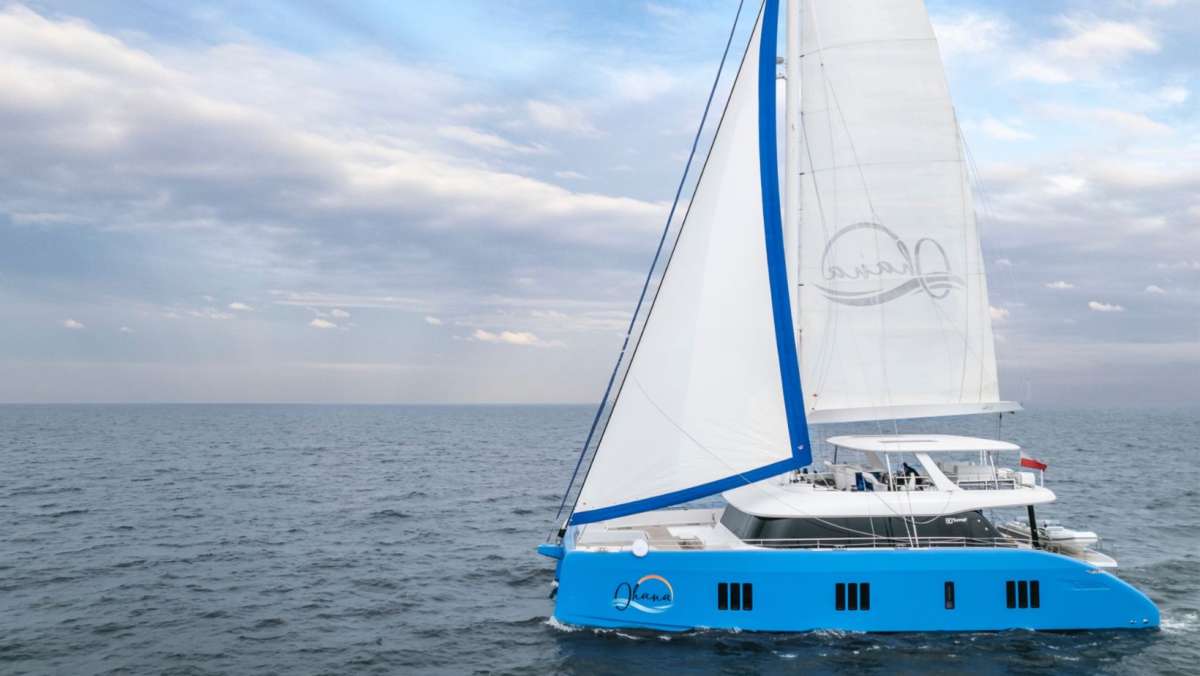
Sailing Catamaran: The Classic Yachting Experience

A sailing catamaran is powered primarily by wind, with engines used for maneuvering and light motoring.

⚡ Speed

  • Average cruising speed: ~7 knots
  • Typically 6–8 knots under sail
  • Best for shorter island hops

🌬 Experience

  • Quiet when under sail
  • Romantic, traditional sailing atmosphere
  • Slower, more relaxed pace

💰 Fuel & Efficiency

  • Lower fuel consumption
  • More eco-friendly option

Ideal For:

  • Caribbean itineraries (BVI, Bahamas) where islands are close together
  • Guests who value the journey as much as the destination
  • Relaxed, scenic cruising

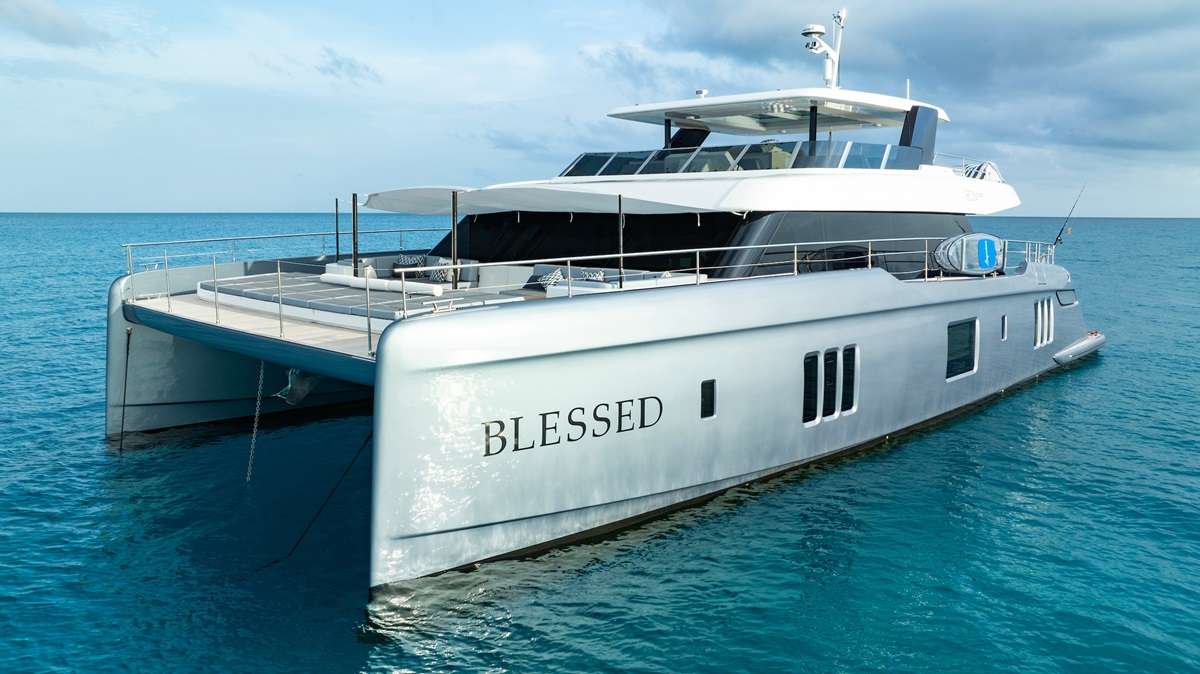
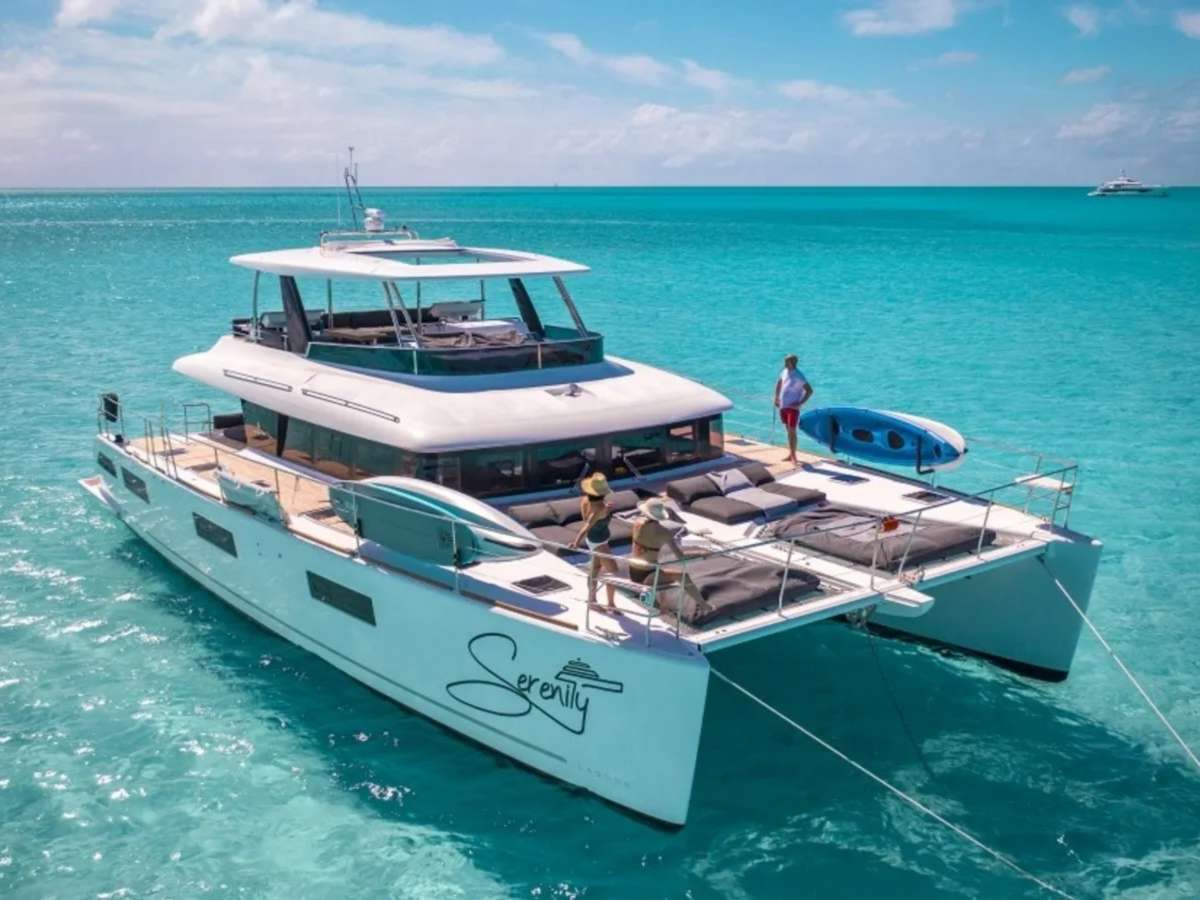
Power Catamaran: Speed + Stability

A power catamaran relies fully on engines for propulsion, offering the same wide-beam stability as a sailing cat but with significantly more speed.
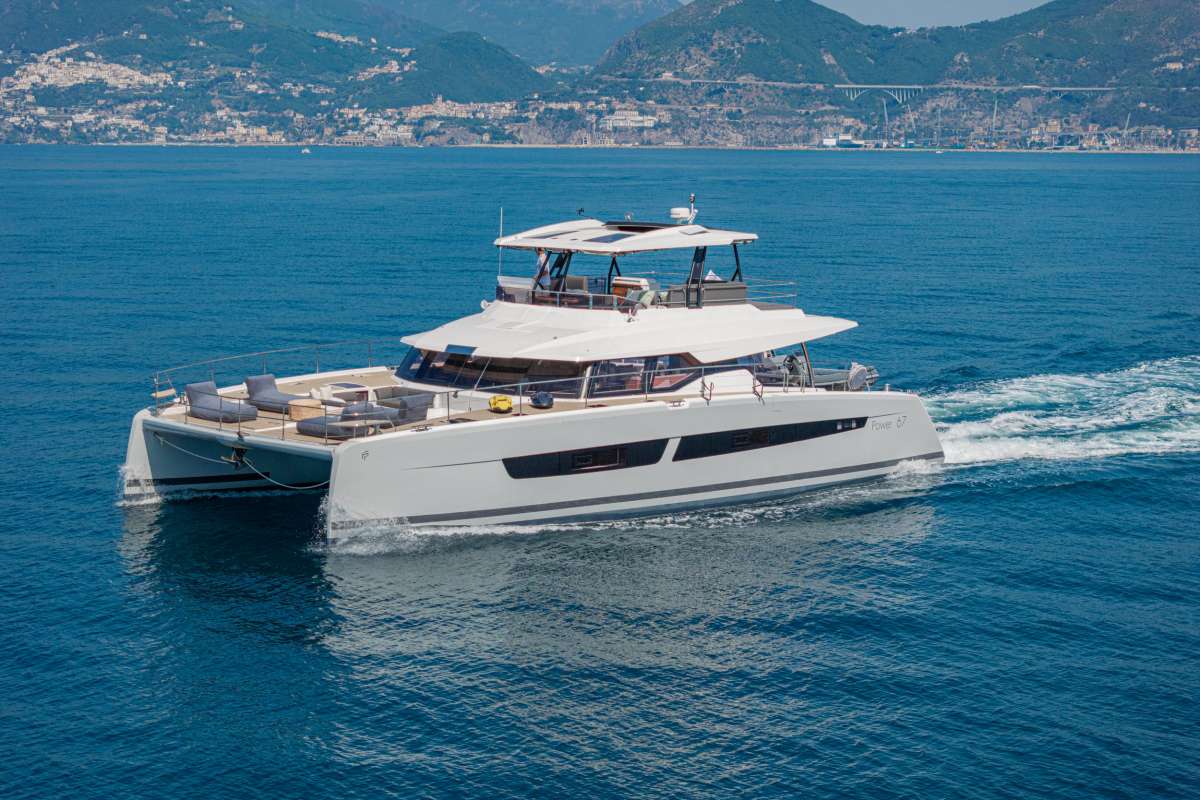
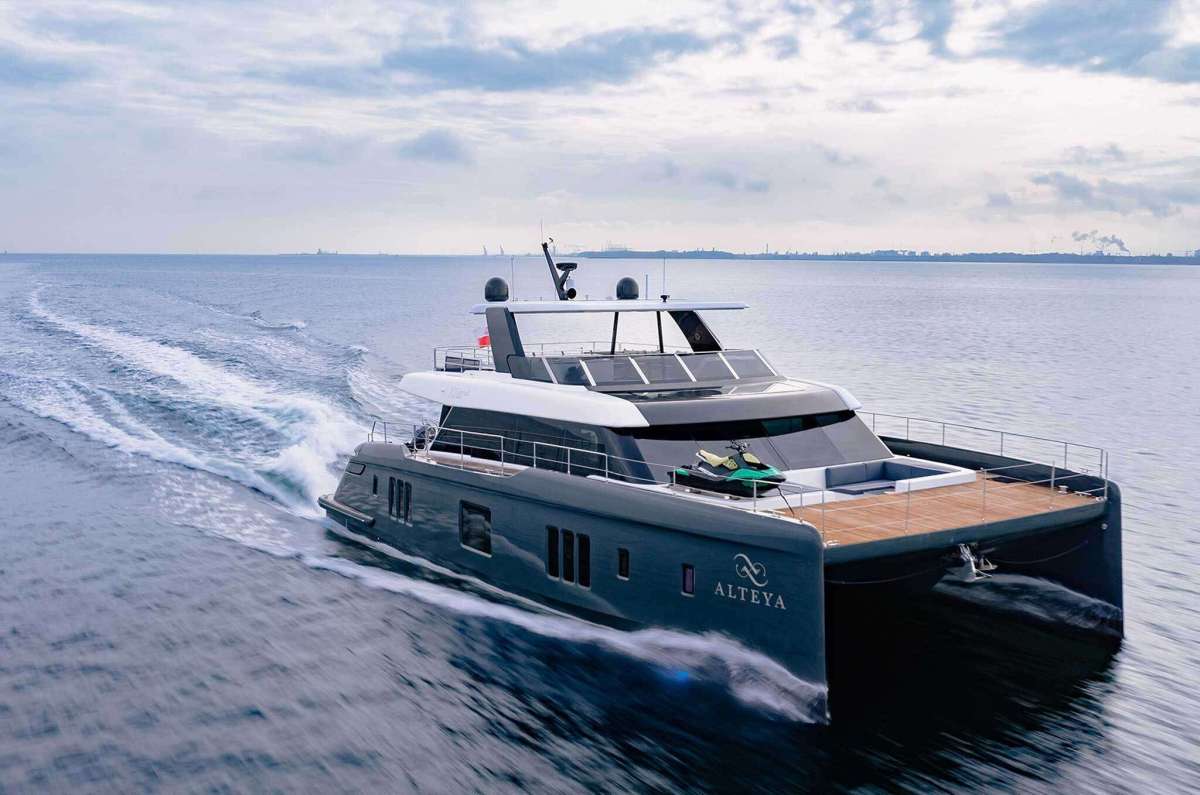
⚡ Speed

  • Typical cruising: 15–18 knots
  • Some models can cruise up to 24 knots
  • Comparable to many motor yachts

This speed difference is not just a statistic — it changes what’s possible in a single week.

Greece as the Perfect Example 🇬🇷

The Greek islands are more spread out than many Caribbean destinations. As an example, if you’re doing an Athens to Athens charter, here’s what speed impacts:

With a Sailing Cat (~7 knots):

  • You’ll likely focus on islands closer together
  • Saronic Islands (Hydra, Poros, Aegina)
  • Or a smaller loop within the Cyclades
  • Longer passages mean fewer islands visited

With a Power Cat (15–24 knots):

  • You can comfortably reach Mykonos from Athens
  • Combine Mykonos + Paros + Naxos within a 7-night charter
  • Spend more time anchored and less time underway
  • Greater flexibility if weather shifts

Being able to cruise at 18–24 knots gives you the option to truly explore the Cyclades without feeling rushed — something that’s much harder at 7 knots.And for many charter guests, that flexibility is invaluable.

Other Key Differences

🚢 Stability

Both sailing and power catamarans offer:

  • Twin-hull stability
  • Minimal rolling at anchor
  • Excellent layouts for families and groups

Cats are inherently more stable than monohull motor yachts.

🔊 Noise & Fuel

  • Sailing cats are quieter when under sail
  • Power cats burn more fuel, especially at higher speeds
  • Fuel consumption impacts the APA cost in Mediterranean charters

🛋 Layout & Space

Both offer:

  • Wide salons
  • Multiple lounging areas
  • Spacious aft decks

Power cats often feature:

  • Larger flybridges
  • More deck entertaining space
  • Open-plan social layouts

Quick Comparison

FeatureSailing CatamaranPower Catamaran
Average Speed~7 knots15–24 knots
Wind DependencyYesNo
Fuel ConsumptionLowerHigher
Best ForRelaxed island hoppingCovering more ground
Greece (Athens Loop)Limited rangeCan reach Mykonos comfortably

So Which Should You Choose?

Choose a sailing catamaran if:

  • You love the romance of sailing
  • You prefer slower mornings and shorter passages
  • Your itinerary involves closer islands

Choose a power catamaran if:

  • You want to maximize your itinerary
  • You’re chartering in destinations like Greece where islands are farther apart
  • You prefer speed and flexibility over wind dependence

Final Thoughts

There’s no “better” option for everyone. It depends on what aligns with your priorities. In destinations like the Caribbean, a sailing catamaran’s 7-knot average is often perfect. In destinations like Greece, or even Croatia, the ability to cruise at 15–24 knots and comfortably reach islands like Mykonos on an Athens-to-Athens charter can completely elevate the experience. Speed isn’t everything, but in certain cruising grounds, it absolutely changes what’s possible.

Call Now Button